Skip to content

You’ve probably heard it a hundred times. The Mediterranean diet is the healthiest way to eat. Doctors love it. Magazines rank it number one. Your aunt swears by it.
What does that mean at dinner, though? What actually goes on the plate? That part tends to get skipped. So, let’s fix that.
What Is the Mediterranean Diet, Really?
The name gives away the origin. This way of eating comes from the countries around the Mediterranean Sea, places like Greece, southern Italy, and coastal Spain. People there have eaten this way for generations, long before anyone slapped the word “diet” on it.
Nutritionists rank it at or near the top almost every year. The reason is pretty simple. It includes fresh, whole foods and skips most of the processed stuff. Fish, vegetables, beans, olive oil, fruit, and grains do most of the work.
Here’s the part that trips people up. You don’t “go on” it like a conventional diet for six weeks and then quit. It works more like a habit. There’s no calorie counting and nothing you have to give up forever. You just reach for certain foods most of the time. That’s the whole idea.
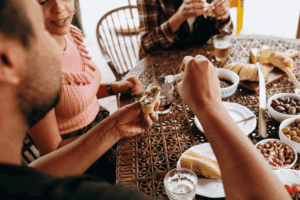
There’s a lifestyle side to it, too. In those coastal towns, meals are slow. People sit down together, share a few dishes, and take their time. The food is important, and so is the pace. You don’t have to move to Greece to borrow that part. Even a calm dinner at your own table counts.
What's Actually on the Plate
Picture a plate. Splitting it into sections makes the whole thing click.
The Base
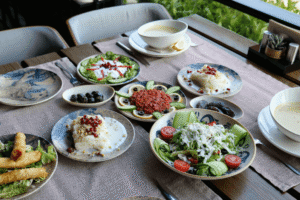
Half your plate goes here, and that’s the big one. Pile on the vegetables, roasted, grilled, or raw in a salad. Add a whole grain, too, like brown rice, bulgur, or warm pita. Color is a good guide. The more greens, reds, and oranges you see, the better you’re doing. Think tomatoes, cucumbers, peppers, spinach, and eggplant. Fruit fits here as well, usually as a snack or a light finish to the meal.
The Protein
About a quarter of the plate should be protein. Keep the portion sensible, roughly the size of your palm. Grilled chicken and fish are the stars here. Beans and lentils work well, too, and they’re cheap and filling. Swap in a scoop of chickpeas or a bowl of lentil soup a few times a week, and you’re right on track. Red meat shows up once in a while, not every day.
The Fat
This one surprises people. Fat is welcome, as long as it’s the good kind. Olive oil leads the way. Folks drizzle it on everything: salads, vegetables, even bread. Nuts and seeds also pull their weight. A small handful of almonds or walnuts makes a solid snack. These fats keep you full and help your body soak up nutrients.
The Extras
Flavor doesn’t have to come from salt or a heavy sauce. Fresh herbs, garlic, lemon, and spices do the real work. A squeeze of lemon and a little oregano can wake up a plain piece of chicken. Big taste, none of the heavy stuff.
What You Won't Find Much Of
A few things sit on the sidelines:
- Processed and packaged foods.
- Refined sugar and sugary drinks.
- Heavy cream sauces.
- Piles of red meat.
None of this is off-limits. You can still have dessert or a burger, just not too often. The plate stays fresh and simple most of the time, and the treats stay treats.
Why It Works
The magic is in the mix. You get fiber from vegetables, beans, and grains. You get healthy fat from olive oil and nuts. You get lean protein from chicken and fish. Put those three together, and your blood sugar stays steadier. No big spike, no hard crash an hour later.
That steadiness has benefits. You stay full longer, so you’re less likely to raid the pantry at 3pm. Your energy holds up through the afternoon instead of dipping. Over time, that mix of fresh food and healthy fat is also kind to your heart, which is a big reason doctors keep pointing people toward it.
The balance is easier on your stomach. Fiber keeps things moving. And there’s a growing pile of research on how gut health ties to mood. Your stomach and your brain talk to each other more than you’d guess. If that idea grabs you, we explore this in our post on how gut health and mood are connected.
What This Looks Like on a Real Plate at Chicken Maisón
Here’s the good news. You don’t have to cook any of this yourself to eat this way.
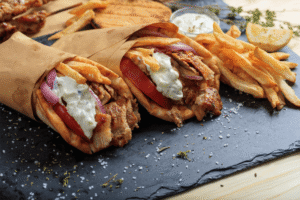
Let’s build a plate together. Start with rotisserie chicken, roasted fresh every day, for your lean protein. Add a whole grain, like rice or a warm pita. Fill the rest with a Greek salad or a vegetable side. Finish with a scoop of hummus and something bright on top, maybe garlic sauce or a lemony dressing. That’s a Mediterranean plate, and you didn’t wash a single pot.
It’s the same kind of food people along that coast have eaten for years. Fresh, simple, and made to feel like home. That last part is the kicker. Chicken Maisón has been family-run for about 20 years, and we still cook the way you’d cook for people you love.
Best of all, you can eat this way on any kind of day. Sit down with us, grab it to go, or have it delivered. Feeding a crowd? Our catering can put a spread of chicken, sides, and salad on the table without much fuss on your end.
Keep It Simple
Mediterranean eating comes down to balance, real ingredients, and food that actually tastes good. No sad little salads, no giving up the things you love. Fill half your plate with vegetables and grains, add a lean protein, pour the good oil, and season with herbs. That’s the trick, start to finish.
Ready to build your own Mediterranean plate? Explore the Chicken Maisón menu and see how easy balanced eating can be, or read more about how gut health and mood are connected. We’re open Monday through Saturday, with a location near you across the South Bay and Orange County.