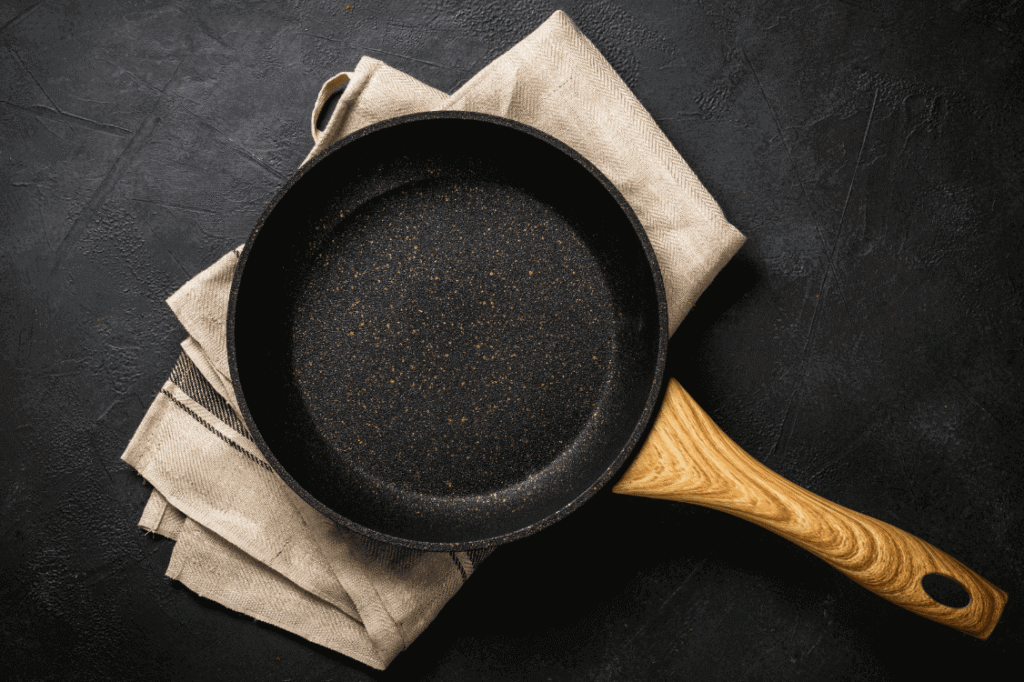
A well-maintained cast-iron skillet can outlast its owner by generations. These heavy-duty pans deliver superior heat retention, create natural non-stick surfaces, and improve with age rather than deteriorating. That said, many home cooks avoid cast iron entirely, intimidated by maintenance requirements or discouraged by past failures with rusty, sticky pans.
The reality is simpler than the myths suggest, though. Proper seasoning creates a protective layer that prevents rust and enables effortless cooking. Regular cleaning takes less time than scrubbing modern non-stick cookware. Knowing these fundamental techniques transforms cast iron from a temperamental antique into a reliable kitchen workhorse. Whether you’ve inherited a crusty skillet from your grandmother or purchased new cookware hoping it will last for decades, mastering cast-iron care ensures that your investment pays dividends for years to come.
Understanding Cast-Iron Seasoning
Seasoning refers to the polymerized oil layer bonded to cast iron’s porous surface through repeated heating. This involves more than coating the pan. High temperatures trigger chemical changes that transform liquid fats into a hard, protective shell. This layer prevents rust, creates non-stick properties, and improves with continued use.
Factory-pre-seasoned skillets provide a foundation, but they rarely deliver the performance that properly maintained cast iron delivers over time. Each cooking session and maintenance cycle adds microscopic layers, gradually building the dark, glassy finish that characterizes well-loved cast iron.
The process resembles building strength through exercise. A single workout won’t transform your fitness, but consistent effort produces dramatic results. Similarly, one seasoning session helps, but repeated applications create exceptional cookware.
Initial Seasoning for New or Restored Skillets
Start with a clean, dry pan. New factory-seasoned skillets need only a light wash with hot water and mild soap to remove manufacturing residue. Completely stripped or rusty skillets require more aggressive cleaning with steel wool or a wire brush until bare metal appears.
Dry the pan thoroughly. Even invisible moisture causes rust spots that compromise seasoning. Place the skillet on a stovetop burner set to medium heat for several minutes, ensuring that all water evaporates completely.
Apply a thin oil layer to the inside, outside, handle, and bottom of the skillet. Use oils with high smoke points, such as vegetable oil, canola oil, and flaxseed oil. Many cast-iron enthusiasts recommend flaxseed oil for its polymerization properties, although vegetable oils work just as well with proper technique. Avoid using excess oil, as it creates sticky, uneven surfaces rather than smooth, protective layers. Wipe the pan as if removing all oil, leaving only the faintest film behind. If the surface looks wet or shiny, you’ve used too much.
Place the oiled skillet upside down in a 450-degree oven with aluminum foil on the rack below to catch drips. Bake for one hour. The upside-down positioning prevents oil from pooling in the cooking surface. After the hour completes, turn off the oven and allow the pan to cool completely inside. This gradual cooling prevents thermal shock and allows the seasoning to set properly.
Repeat this process 3 to 5 times for new or restored skillets. Each cycle builds additional protection, creating a base that subsequent cooking will enhance.
Routine Cleaning After Cooking
Clean cast iron while still warm but cool enough to handle safely. Hot pans clean more easily as residual heat loosens stuck-on food particles.
Rinse the pan under hot water, using a stiff brush or plastic scraper to remove food debris. Contrary to popular belief, small amounts of mild dish soap won’t destroy seasoning. The polymerized oil layer bonds chemically to the metal and resists detergent damage. However, avoid aggressive degreasing soaps or prolonged soaking, as these can eventually compromise the seasoning.
For stubborn, stuck-on food, coarse salt works as an excellent abrasive. Sprinkle a generous amount into the pan, add a small amount of water to create a paste, and scrub with a paper towel or cloth. The salt breaks down residue without damaging the seasoning layer. Rinse thoroughly afterward.
Never place cast iron in the dishwasher. The harsh detergents and extended water exposure will strip the seasoning and cause rust. Similarly, avoid leaving cast iron soaking in water, even for short periods.
After washing, dry the skillet thoroughly. Use a towel first, then place the pan on a stovetop burner set to medium-low for several minutes. This heat-drying eliminates moisture that can hide in the pan’s porous surface.
While the pan is still warm from drying, wipe a very thin layer of oil over all surfaces. This maintenance seasoning replenishes any protection removed during cleaning and prevents rust formation. Store the skillet in a dry location once completely cooled.
Maintaining Seasoning Through Regular Use
Cooking naturally maintains and improves seasoning. Each time you heat oil in the pan, you’re adding microscopic layers to the existing finish. Certain cooking methods prove particularly beneficial for building seasoning.
Sautéing vegetables in oil, pan-frying chicken with skin, or making cornbread all contribute to seasoning development. Bacon’s rendered fat works well for this purpose, although any cooking with adequate fat helps.
Avoid cooking highly acidic foods in a newly seasoned cast-iron pan. Tomato sauce, citrus-based dishes, and vinegar preparations can break down immature seasoning layers. Once your pan develops a thick, well-established coating, occasional acidic cooking poses minimal problems. Until then, save these dishes for other cookware.
If you notice food sticking more than usual or see dull spots appearing, the pan needs re-seasoning. Follow the oven seasoning process described earlier, using 1 or 2 cycles to restore the protective layer.
Addressing Common Cast-Iron Problems
Rust appears when moisture contacts bare iron. Light surface rust responds well to scrubbing with steel wool or a stiff brush, followed by thorough drying and immediate re-seasoning. Extensive rust may require complete seasoning removal and restoration from bare metal.
Sticky residues usually indicate excess oil application during seasoning. The extra oil never fully polymerizes, leaving a tacky surface behind. Remove the sticky buildup by scrubbing with coarse salt or baking the pan at high heat to burn off the excess. Reapply thin oil layers using proper technique.
Uneven seasoning creates blotchy appearances with dark and light areas. This aesthetic issue seldom affects cooking performance but bothers some people. Continue regular cooking and maintenance seasoning to gradually even out the finish.
Flaking seasoning suggests that the protective layer wasn’t properly bonded to the metal or accumulated too thickly. Strip the flaking areas down to bare metal and rebuild the seasoning from scratch using thin applications.
Storage and Long-Term Care
Store cast iron in dry, well-ventilated areas. Humid environments accelerate rust formation on well-seasoned pans. If stacking multiple skillets, place paper towels or cloth between them to prevent seasoning damage and allow air flow.
Some cooks prefer storing cast iron with a light oil coating to provide additional rust protection during extended storage. This proves especially useful in humid climates or for pans used infrequently.
Avoid storing food in cast iron. The prolonged contact with moisture and acids breaks down the seasoning and can impart metallic flavors to stored food. Transfer leftovers to proper storage containers immediately after cooking.
With consistent care, your cast-iron skillet develops into a family heirloom worth passing down. The dark, glassy surface that develops over years of proper use provides effortless food release and superior cooking performance. Unlike modern cookware that degrades with age, well-maintained cast iron actually improves, making your maintenance efforts an investment that appreciates over time.
At Chicken Maisón, we appreciate quality tools that stand the test of time. Just as we craft the signature rotisserie chicken plates at our Mediterranean restaurant in Torrance with care and attention to detail, proper cast-iron maintenance rewards you with cooking equipment that performs beautifully for generations. And on the nights the skillet stays on the shelf, there’s always a Chicken Maisón location near you.